
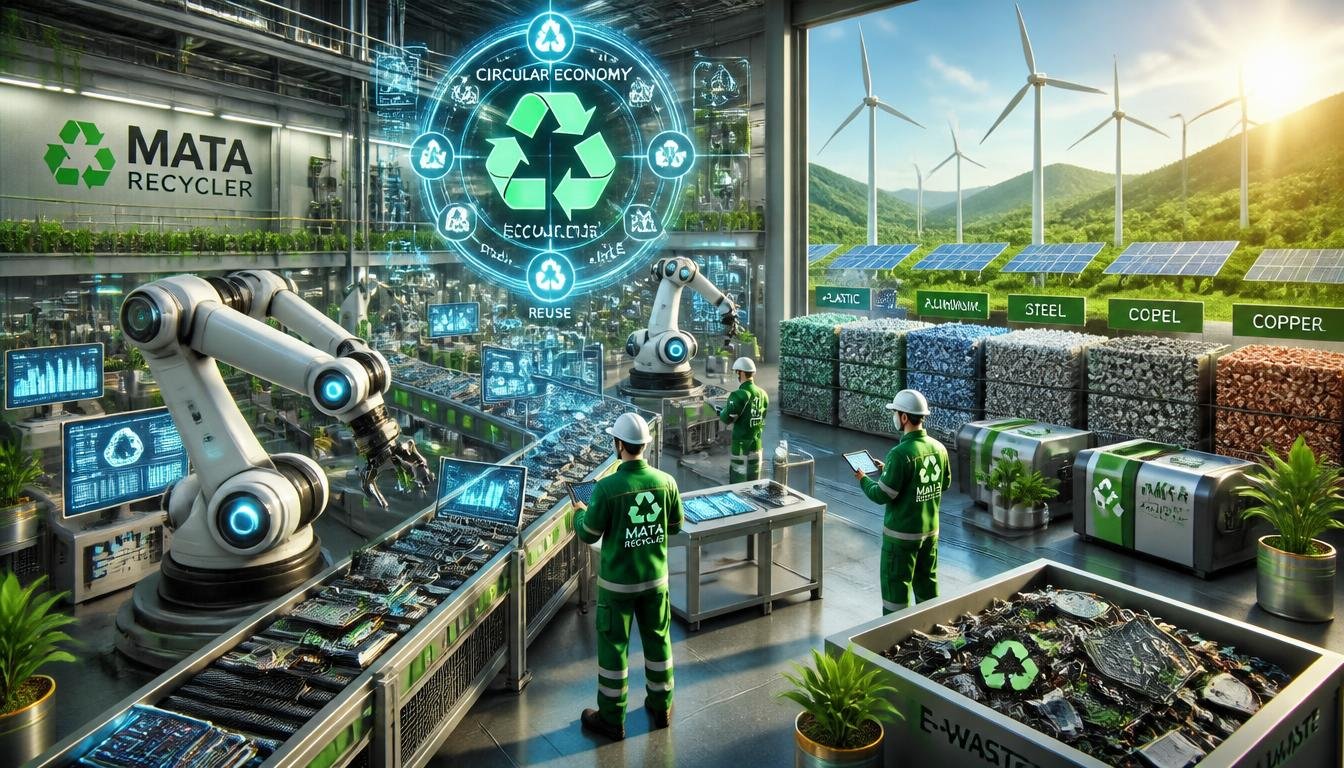
As industries continue to grow and technology evolves, the world generates more waste than ever before. Electronic devices, plastics, metals, and industrial materials are discarded every day, creating environmental challenges that affect ecosystems and human health. This growing problem demands innovative recycling solutions capable of recovering valuable resources while reducing pollution.
MataRecycler represents one of these advanced concepts. It refers to a modern recycling system, organization, or technology designed to collect, process, and transform complex waste into reusable materials. The idea combines sustainability, automation, and intelligent resource management to support a cleaner environment and a stronger circular economy.
Beyond environmental science, the term is also relevant in software engineering. In programming, MetaRecycler often describes memory management systems or object recycling techniques that improve software performance by reusing allocated resources instead of repeatedly creating new ones.
Although these two meanings belong to different industries, they share one common objective: maximizing efficiency while minimizing waste.
What Does MataRecycler Mean?
Origin of the Name
The word MataRecycler is generally derived from two parts:
- Meta means “beyond” or “higher level.”
- Recycler refers to a system or process that converts waste into reusable materials.
Together, MataRecycler symbolizes a next-generation recycling solution that goes beyond traditional waste management.
Core Definition
A MataRecycler is an advanced recycling platform, machine, or organization that specializes in collecting, sorting, processing, and recovering reusable materials from complex waste streams such as:
- Electronic waste
- Plastic waste
- Industrial waste
- Metal scrap
- Battery materials
- Construction debris
Its primary goal is reducing landfill waste while conserving natural resources.
Why MataRecycler Matters Today
Environmental Challenges
Modern society produces billions of tons of waste annually. Landfills continue expanding while natural resources become increasingly limited.
Major environmental concerns include:
- Plastic pollution
- Air pollution
- Soil contamination
- Water pollution
- Greenhouse gas emissions
Traditional disposal methods cannot keep pace with today’s consumption levels.
Advanced recycling systems like MataRecycler provide a more sustainable alternative by recovering valuable materials instead of allowing them to become environmental hazards.
Growth of E-Waste
Electronic waste is among the fastest-growing waste categories worldwide.
Common examples include:
- Smartphones
- Laptops
- Tablets
- Televisions
- Printers
- Computer hardware
- Batteries
Many of these products contain valuable materials such as:
| Material | Common Use |
|---|---|
| Gold | Circuit boards |
| Silver | Electrical contacts |
| Copper | Wiring |
| Aluminum | Frames |
| Lithium | Batteries |
| Rare Earth Metals | Magnets |
Recovering these materials reduces the need for mining while protecting the environment.
How MataRecycler Works
Modern MataRecycler systems generally follow several organized stages.
1. Waste Collection
The process begins by collecting recyclable materials from:
- Homes
- Businesses
- Factories
- Recycling centers
- Government collection programs
Efficient logistics reduce transportation costs and carbon emissions.
2. Smart Sorting
Advanced facilities use technologies such as:
- Artificial Intelligence
- Optical scanners
- Magnets
- Infrared sensors
- Robotic sorting systems
These technologies separate plastics, metals, glass, batteries, and electronic components with remarkable accuracy.
3. Material Processing
After sorting, materials undergo different recycling techniques.
Examples include:
Plastic Recycling
Plastic is cleaned, shredded, melted, and converted into pellets for manufacturing new products.
Metal Recycling
Metals are melted, purified, and reused in construction, automotive manufacturing, and electronics.
Electronic Recycling
Electronic devices are carefully dismantled to recover precious metals while safely handling hazardous materials.
4. Manufacturing
Recovered materials become raw materials for new products, reducing dependence on virgin resources.
Applications of MataRecycler
Electronic Waste Recycling
One of the most valuable applications involves electronic waste.
Recovered materials include:
- Gold
- Copper
- Silver
- Aluminum
- Rare earth elements
Proper recycling prevents toxic chemicals from entering the environment.
Plastic Recycling
Plastic recycling reduces ocean pollution while supporting sustainable manufacturing.
Common recycled plastics include:
- PET
- HDPE
- PVC
- LDPE
- Polypropylene
These materials become:
- Bottles
- Packaging
- Furniture
- Clothing fibers
- Construction materials
Metal Recovery
Industrial machinery, vehicles, and electronic equipment contain significant amounts of recyclable metal.
Recycling metals saves energy compared to extracting new ores.
Industrial Waste Management
Manufacturing industries generate large amounts of:
- Chemical waste
- Scrap metal
- Packaging waste
- Composite materials
MataRecycler systems help recover usable resources while reducing disposal costs.
MataRecycler in Software Engineering
Interestingly, the concept also appears in computer science.
Memory Recycling
Applications continuously allocate memory while running.
Instead of repeatedly creating and deleting memory blocks, advanced memory recyclers reuse existing resources.
Benefits include:
- Faster performance
- Lower memory consumption
- Reduced fragmentation
- Improved scalability
Programming languages and frameworks often implement similar techniques internally.
Object Pooling
Object pooling is another form of MetaRecycler.
Instead of creating thousands of new objects every second, software reuses previously allocated objects.
Common applications include:
- Video games
- Web servers
- Mobile apps
- Cloud computing
- Artificial intelligence systems
This approach significantly improves efficiency under heavy workloads.
Benefits of MataRecycler
Modern recycling systems provide advantages across environmental, economic, and technological sectors.
Environmental Benefits
- Reduces landfill waste
- Conserves natural resources
- Lowers greenhouse gas emissions
- Protects biodiversity
- Prevents pollution
Economic Benefits
- Creates employment opportunities
- Supports green industries
- Reduces manufacturing costs
- Recovers valuable materials
- Encourages innovation
Social Benefits
- Cleaner communities
- Better public health
- Increased environmental awareness
- Sustainable economic growth
Technological Benefits
- AI-powered recycling
- Robotics
- Smart sensors
- Automated waste management
- Data-driven optimization
Challenges Facing MataRecycler
Although promising, several challenges remain.
High Initial Investment
Modern recycling facilities require expensive machinery and advanced infrastructure.
Public Awareness
Many recyclable materials still end up in landfills because people lack proper recycling knowledge.
Complex Waste Streams
Modern electronic devices combine many materials that require specialized recycling methods.
Regulatory Compliance
Governments continue updating environmental regulations, requiring companies to invest in new technologies.
Future of MataRecycler
The future of MataRecycler looks highly promising.
Emerging technologies include:
- Artificial Intelligence
- Machine Learning
- Robotics
- Blockchain for waste tracking
- Internet of Things (IoT)
- Smart recycling bins
- Automated material recognition
These innovations will make recycling faster, safer, and more efficient.
As countries adopt circular economy principles, advanced recycling systems will play an increasingly important role in reducing waste and conserving resources.
Frequently Asked Questions (FAQs)
1. What is MataRecycler?
MataRecycler is an advanced recycling system or concept focused on recovering valuable materials from waste while supporting sustainability and the circular economy.
2. Is MataRecycler only related to environmental science?
No. The term is also used in software engineering, where MetaRecycler refers to memory recycling and object reuse techniques that improve application performance.
3. What materials can MataRecycler recycle?
It can process electronic waste, plastics, metals, industrial waste, batteries, and other recyclable materials.
4. Why is e-waste recycling important?
E-waste contains valuable metals such as gold, copper, silver, and lithium. Recycling these materials conserves natural resources and reduces pollution.
5. How does MataRecycler support sustainability?
It minimizes landfill waste, reduces pollution, conserves raw materials, lowers carbon emissions, and promotes resource efficiency through recycling.
6. What technologies are used in MataRecycler systems?
Modern systems use Artificial Intelligence, robotics, optical sensors, automated sorting machines, machine learning, and IoT-enabled monitoring.
Conclusion
MataRecycler represents more than just a recycling process—it symbolizes the future of intelligent resource management. Whether applied to environmental science or software engineering, the underlying principle remains the same: reuse valuable resources instead of wasting them. By integrating advanced technologies such as artificial intelligence, robotics, automation, and smart data analysis, MataRecycler helps reduce environmental impact while improving efficiency and sustainability.
As global waste generation continues to rise, governments, businesses, and individuals must embrace innovative recycling practices. Investing in advanced recycling infrastructure, supporting responsible e-waste management, and encouraging circular economy principles can significantly reduce pollution and conserve valuable natural resources. Likewise, in software development, MetaRecycler techniques contribute to faster, more efficient applications by optimizing memory usage and minimizing unnecessary resource allocation.
Ultimately, MataRecycler reflects a forward-thinking approach that benefits both the planet and technology. By adopting its principles, society can move toward a cleaner environment, stronger economies, and a more sustainable future for generations to come.
Leave a Reply