
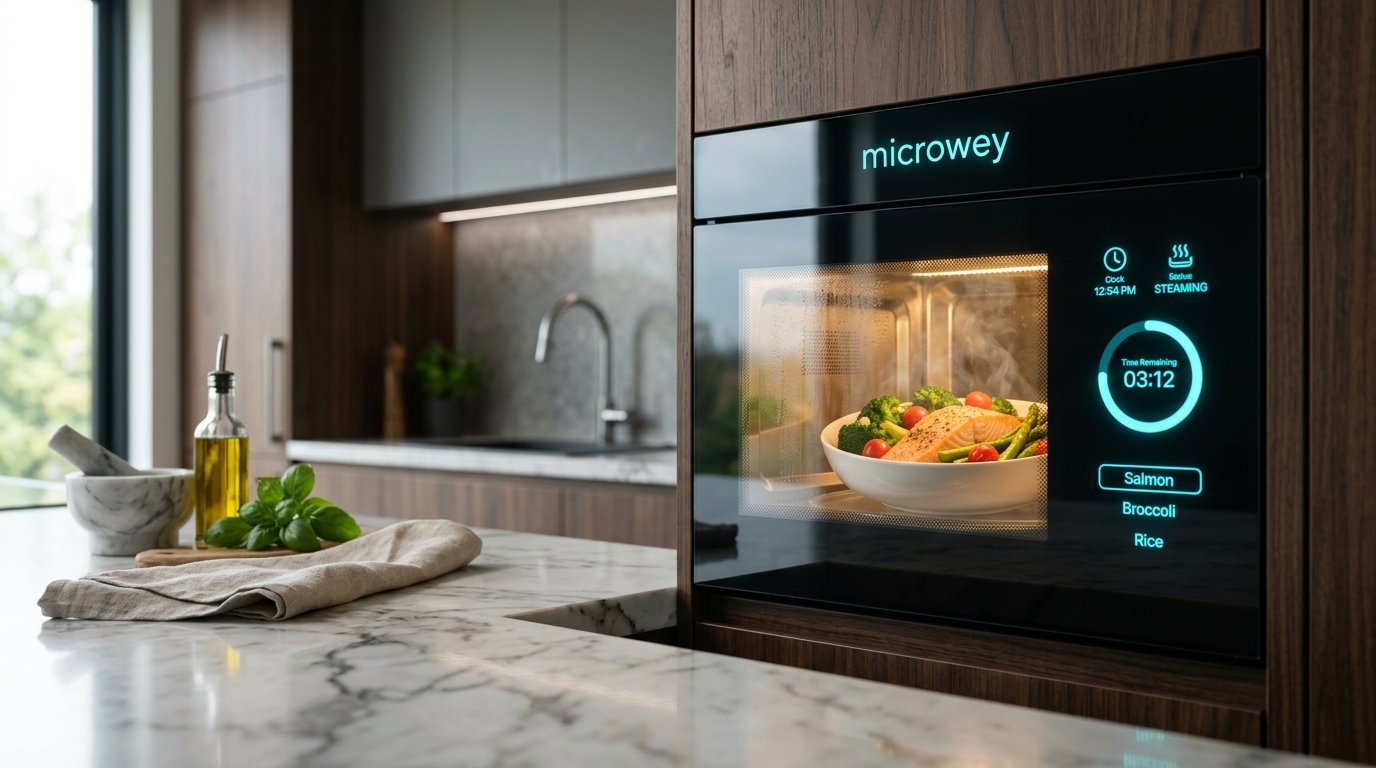
In the fast-paced modern home, kitchen appliances are undergoing a quiet revolution driven by smart sensor automation, energy-efficient heating engines, and intuitive digital controls. If you have recently encountered the term microwey while shopping for home appliances, browsing culinary blogs, or searching for fast cooking tips, you are observing an exciting evolution in residential food preparation. Initially originating as a widespread phonetic search variation for standard microwaves, microwey has evolved into a recognized category term for next-generation smart microwave systems built around adaptive sensor heating, continuous inverter power control, and precision cooking presets. Traditional microwaves frequently frustrate home cooks by creating scalding outer edges while leaving food frozen in the center, largely due to primitive on-off pulse heating mechanisms. In contrast, modern microwey appliances utilize intelligent humidity sensors and variable inverter energy waves to adjust heating cycles automatically based on real-time steam moisture levels. Whether you are reheating delicate leftovers, rapidly defrosting frozen poultry without premature edge cooking, or steam-preparing fresh vegetables for a family dinner, mastering this appliance technology saves valuable time while preserving food texture and essential nutrients. Understanding how these smart kitchen systems operate empowers homeowners to select high-performance appliances, reduce monthly electricity bills, and achieve consistent culinary results effortlessly.
Decoding Microwey: Etymology, Meaning, and Category Concept
To understand why microwey has become such a prominent term in modern home appliance discussions and culinary technology reviews, one must first explore its origin story. The term initially emerged across search engine logs as a natural, phonetic spelling variation typed by mobile device users searching for microwave ovens and quick heating instructions. Over time, as online shopping platforms, appliance forums, and smart home blogs published extensive buyer guides, internet culture adopted microwey as a broader descriptive category for advanced smart microwaves. When consumers query this term today, they are seeking reliable information regarding high-efficiency microwave appliances, smart cooking settings, and troubleshooting advice for even food heating. Recognizing this etymological path demonstrates how casual search behaviors frequently transform into recognized industry terminology across digital retail platforms. Understanding these vocabulary shifts offers valuable insight into how consumer search intent shapes modern appliance marketing strategies.
Beyond its stylistic root as an internet search query, microwey represents a major technological upgrade from primitive, single-speed kitchen microwaves. Legacy microwave appliances relied on binary magnetron cycling—switching full electromagnetic power rapidly on and off—which often resulted in rubbery textures, dried-out meat, and uneven hot spots. Conversely, the microwey paradigm integrates continuous inverter power management with real-time temperature and steam sensors to deliver precise, steady thermal energy. This means the appliance can output a true thirty percent or fifty percent energy level continuously, allowing delicate sauces to simmer gently without boiling over. By bridging the gap between high-speed thermal convenience and gourmet cooking precision, this concept establishes an elevated standard for residential kitchen hardware. Modern homeowners increasingly favor smart kitchen tools that deliver consistent culinary quality while eliminating guesswork from daily meal preparation.
The Phonetic Evolution from Search Typo to Product Category
Language evolution across digital commerce occurs rapidly when widespread mobile typing patterns intersect with hardware product innovations. The term microwey initially gained traction in web analytics data as a frequent mobile keyboard typo for microwave appliances and recipe guides. As auto-complete search algorithms and digital retail portals cataloged thousands of daily queries under this spelling, consumer review channels adopted the term to distinguish smart sensor-based units from basic budget microwaves. Today, culinary equipment reviewers and smart home specialists use the phrase to denote appliances featuring adaptive inverter drivers, automated moisture sensors, and connected digital touch interfaces. Tracking this phonetic evolution highlights how digital consumer queries shape product classification across international home appliance markets.
What Defines a Microwey Appliance in Modern Kitchens
Defining what sets a microwey appliance apart from legacy appliances requires examining its internal sensor capabilities and power management components. A standard microwave operates on fixed timer mechanical dials, delivering unyielding full-blast radiation regardless of food volume or moisture content. In contrast, a microwey system actively monitors escaping steam and surface temperature variations to adjust cooking duration and power output dynamically during operation. For example, when reheating a covered plate of pasta, the internal humidity sensor detects the exact moment water vapor escapes from the food and calculates the precise remaining heating time required. This automated thermal intelligence prevents dry, burnt edges while ensuring the center of the meal reaches safe consumption temperatures.
The Historical Evolution of Microwave Cooking
Understanding the technical breakthroughs embedded in modern microwey appliances requires reviewing the historical progression of microwave cooking over the past eight decades. From accidental discoveries during military radar experiments in the 1940s to modern sensor-driven artificial intelligence appliances, microwave technology has evolved through four distinct engineering eras. Reviewing this historical progression illustrates how continuous software and hardware innovations have elevated a basic reheating box into a versatile culinary center. Each technological generation solved key engineering hurdles, paving the way for continuous power delivery and precise sensor controls. Understanding these historical roots allows consumers to appreciate how modern engineering eliminates traditional cooking trade-offs.
| Historical Stage | Core Technology | Primary Mechanisms | Main Operational Limitations |
|---|---|---|---|
| Stage 1 (1940s–1960s) | Commercial Magnetron Units | High-voltage radar cavity magnetrons | Massive physical footprints, extreme energy draw, commercial use only |
| Stage 2 (1970s–1990s) | Turntable Countertop Microwaves | Fixed power magnetrons with mechanical timers | Heavy thermal hot spots, rubbery textures, pulse ON/OFF cycling |
| Stage 3 (2000s–2010s) | Inverter Power Drivers | Variable continuous power delivery engines | Basic digital presets, limited real-time sensor feedback mechanisms |
| Stage 4 (2020s+) | Smart Microwey Systems | Humidity sensors, AI presets, convection & steam hybrid modules | Higher upfront cost, minor learning curve for digital preset interfaces |
Stage 1: Radar Magnetron Origins and Commercial Pioneers
The origin of microwave cooking dates back to 1945, when engineer Percy Spencer noticed a candy bar in his pocket melted while working near an active military radar magnetron tube. Recognizing the potential for rapid food preparation, early electronics manufacturers built the first commercial microwave ovens in the late 1940s. These early units stood over six feet tall, weighed more than seven hundred pounds, and required dedicated water cooling pipes to prevent internal electrical burnout. Because of their immense physical size, high manufacturing costs, and complex electrical requirements, early units were restricted entirely to commercial restaurant kitchens, ocean liners, and institutional cafeterias. Despite their physical bulk, these pioneering machines proved that radiofrequency waves could heat food molecules at unprecedented speeds.
Stage 2: Standard Turntable Countertop Microwaves
During the 1970s and 1980s, advances in microelectronics enabled manufacturers to shrink magnetron components into affordable countertop appliances for residential homes. To combat uneven wave distribution inside rectangular metal chambers, designers introduced motorized glass turntables to rotate food continuously through standing wave peaks and valleys. However, these traditional units relied on primitive transformer power supplies that could only operate the magnetron at full power. To simulate lower heating levels, the appliance cycled full power on and off in intervals, which frequently scorched outer food layers while leaving interior core sections frozen. To learn more about the physical history and scientific mechanics of electromagnetic wave appliances, readers can consult Wikipedia’s detailed microwave oven historical entry for comprehensive engineering archives.
Stage 3: Inverter Power Drivers and Variable Energy Delivery
The mid-2000s brought a major engineering leap with the commercialization of solid-state inverter power supplies in residential cooking hardware. Unlike legacy transformers that pulsed full power intermittently, inverter power drivers convert electrical current to deliver true, continuous linear energy at reduced power levels. This continuous linear energy allowed delicate foods—such as egg custards, chocolate, and butter—to melt or cook gently without sputtering or overheating. Furthermore, inverter power drivers reduced overall appliance weight and opened up larger interior cavity space for oversized baking dishes. To understand the broader principles of electromagnetic energy transmission and frequency management, explore Wikipedia’s overview of electromagnetic radiation. Inverter technology laid the technical foundation for modern high-precision cooking systems.
Stage 4: AI and Sensor-Driven Microwey Systems
We have officially entered the fourth generation of culinary heating technology, where smart humidity sensors, multi-stage cooking automation, and hybrid convection heating combine into the modern microwey platform. Modern appliances utilize sensitive internal steam detectors that monitor water vapor release continuously during the heating process. Rather than forcing users to guess cooking durations and power levels, the appliance automatically calculates optimal thermal output and shuts off the heating cycle the precise moment food reaches ideal temperature. Furthermore, integrated convection heating elements and steam injection modules allow users to brown, crisp, bake, and steam fresh meals inside a single compact appliance. This multi-functional intelligence simplifies meal preparation while conserving kitchen counter space and reducing daily home energy consumption.
Core Technological Architecture of Microwey Systems
The performance advantage delivered by modern microwey hardware rests on several advanced technological subsystems working in synchronization. Rather than functioning as a basic radio frequency transmitter, the appliance integrates sophisticated wave guides, solid-state inverter drivers, and environmental sensors into a unified thermal engine. Understanding these core technological components explains how software algorithms and sensor hardware combine to produce consistent, high-quality culinary results. Each subsystem addresses a specific physical limitation of traditional electromagnetic heating. Combining advanced wave dispersion optics with real-time moisture feedback creates an exceptionally reliable heating platform. Operating together, these components ensure optimal thermal efficiency across diverse food groups.
Electromagnetic Wave Dispersion and Stirrer Fan Optics
In legacy appliances, stationary wave patterns created persistent hot and cold spots throughout the cooking chamber, forcing reliance on motorized rotating turntables. Modern microwey appliances frequently replace or supplement rotating turntables with hidden internal antenna stirrers that distribute electromagnetic energy evenly across the entire interior cavity. By reflecting radio waves off rotating metallic fan blades at the top of the cooking chamber, the system scatters thermal energy evenly across stationary cooking dishes. This uniform dispersion allows users to heat large rectangular lasagna pans, multi-plate meals, and oversized casserole dishes without edge overhangs stalling a turntable motor. Uniform wave distribution ensures that every cubic inch of food receives consistent, balanced thermal energy during operation.
Smart Humidity and Infrared Sensor Modules
The true intelligence of a microwey appliance resides in its integrated environmental sensor array, positioned strategically within internal air exhaust vents. As food heats up, water molecules evaporate and form invisible steam currents that travel toward the exhaust manifold. The internal humidity sensor detects subtle changes in air moisture levels, signaling the internal microprocessor to adjust heating duration or reduce magnetron output in real time. Advanced premium models also incorporate non-contact infrared sensors that scan the physical surface temperature of food continuously throughout the cycle. This real-time thermal feedback guarantees that soups, casseroles, and baked goods reach optimal serving temperatures without boiling over or suffering from dry, rubbery textures.
Inverter Variable Power Drivers and Circuitry
At the electrical heart of every microwey system is a compact solid-state inverter board that replaces heavy, iron-core transformers. Inverter circuitry regulates power supply frequency dynamically, enabling true variable power output ranging from ten percent to one hundred percent continuous energy. To explore how power conversion systems manage electrical frequencies efficiently, review Wikipedia’s technical overview of power inverters. When a user selects a fifty percent power setting on a microwey unit, the magnetron delivers a steady, unbroken fifty percent wave stream rather than blasting full power for five seconds and shutting off for five seconds. Continuous linear energy prevents delicate protein fibers from toughing, prevents dairy sauce separation, and ensures smooth, uniform thawing of frozen foods.
Hybrid Steam and Convection Heating Integration
Modern culinary lifestyle trends demand appliances capable of performing multiple cooking techniques without cluttering kitchen counters with single-use devices. The microwey architecture solves this challenge by embedding auxiliary quartz grill elements, forced-air convection fan heaters, and internal steam generator boilers alongside the primary magnetron. Users can initiate combination cooking programs that utilize microwave energy to cook interior food cores rapidly while simultaneous convection hot air crisps chicken skin or melts cheese toppings. Furthermore, pure steam injection cycles allow healthy preparation of fresh seafood and delicate vegetables without requiring oil or butter. Combining multiple heating methods into one intuitive appliance delivers exceptional cooking speed alongside traditional oven crispness and texture.
Direct Comparative Analysis: Microwey vs. Traditional Kitchen Appliances
Selecting the ideal cooking appliance requires comparing modern microwey systems against traditional countertop microwaves, stand-alone air fryers, and conventional convection ovens across essential performance parameters. While conventional appliances fulfill basic kitchen tasks, their functional limits often force home cooks to juggle multiple single-purpose gadgets during complex meal preparation. The detailed comparison matrix below highlights how modern sensor-driven systems stack up against traditional cooking hardware across speed, texture, energy draw, and overall versatility. Evaluating these metrics empowers homeowners to select versatile appliances that match their daily culinary needs. Investing in multi-functional cooking hardware streamlines meal preparation while maximizing counter space. Choosing the right appliance architecture ensures long-term performance and daily convenience.
| Performance Attribute | Microwey Smart System | Traditional Microwave | Countertop Air Fryer | Conventional Convection Oven |
|---|---|---|---|---|
| Primary Heating Method | Inverter Wave + Sensor Auto-Adjust | Pulsed Fixed Magnetron Wave | Rapid Forced Hot Air Circulation | Resistance Coils + Rear Convection Fan |
| Heating Uniformity | Exceptional (Sensors prevent hot spots) | Poor to Moderate (Frequent cold centers) | Good (Requires basket shaking) | Excellent (Slow thermal saturation) |
| Preheating Requirement | Zero Preheating Needed | Zero Preheating Needed | 3 to 5 Minutes Preheating | 10 to 15 Minutes Preheating |
| Food Crispness & Texture | Excellent (In Hybrid Combination Modes) | Poor (Soggy or rubbery textures) | Superior (Crispy exterior finish) | Superior (Authentic baked finish) |
| Energy Consumption Efficiency | Extremely High (Optimized sensor cycles) | Moderate (Continuous full-power cycles) | Moderate (High wattage fan elements) | High Total Power Draw (Large chamber volume) |
| Typical Appliance Lifespan | 8 to 10 Years (Quality solid-state builds) | 5 to 7 Years (Basic transformer degradation) | 3 to 5 Years (High heating element wear) | 10 to 15 Years (Heavy insulated chassis) |
Direct Comparison: Microwey vs. Traditional Microwaves
Comparing a modern microwey appliance to a standard budget microwave highlights a radical evolution in thermal control, sensory intelligence, and meal quality. Traditional microwaves operate on mechanical timers and pulsed transformer power, requiring users to repeatedly stop the cycle, stir food manually, and guess remaining heating times. Conversely, microwey hardware relies on continuous linear inverter power and real-time steam detection to manage the entire heating process automatically from start to finish. Food prepared in a smart sensor unit retains higher moisture content, exhibits zero rubbery edges, and heats up to thirty percent faster while consuming less total electricity. For consumers seeking hassle-free, restaurant-quality reheating, upgrading to smart sensor technology represents a dramatic daily quality-of-life improvement.
Direct Comparison: Microwey vs. Air Fryers and Convection Ovens
While standalone air fryers have gained immense popularity for producing crispy fried textures, their small basket capacities restrict their utility for larger family meals. Traditional wall ovens handle large baking sheets easily, but they require long preheating delays and consume massive amounts of electrical power to heat empty oven cavity space. Combination microwey models bridge this operational gap by pairing high-speed interior microwave heating with powerful convection air circulation inside a spacious countertop footprint. Users enjoy the rapid speed of microwave cooking alongside the golden, crispy surface textures provided by traditional convection roasting. By consolidating three separate appliances into one smart unit, homeowners save counter space, lower kitchen thermal radiation during summer months, and reduce daily cooking electricity expenses.
System and Category Technical Specifications
Organizing the technical specifications and operational benchmarks associated with microwey systems offers a clear blueprint for consumers evaluating new home appliances. The summary metadata table below outlines key hardware parameters, power output ratings, sensor types, and industry build standards defining this category of smart cooking equipment. Reviewing these structural specifications helps homeowners evaluate appliance performance prior to purchasing new kitchen hardware. Establishing standardized technical benchmarks ensures that consumers can compare competing models objectively across retail platforms. Understanding internal hardware ratings guarantees long-term satisfaction and optimal energy efficiency in modern homes.
| Specification Parameter | Standard Technical Benchmark |
|---|---|
| Category Classification | Smart Residential & Commercial Countertop Cooking Appliance |
| Magnetron Power Output Range | 900 Watts to 1,200 Watts (Continuous Linear Delivery) |
| Internal Power Supply Architecture | Solid-State Inverter Board (Transformer-Free Design) |
| Sensor Suite Integration | Absolute Steam/Humidity Sensors + Infrared Surface Temperature Detectors |
| Auxiliary Cooking Capabilities | Quartz Broiler Element, 1,400W Convection Heater, Pure Steam Boiler |
| Interior Cavity Capacity | 0.9 cu. ft. (Compact) to 2.2 cu. ft. (Family Size / Commercial) |
| Noise Level Output | Quiet Operation (< 48 dB Inverter Motor Optimization) |
| Safety Certification Standards | UL Listed, FDA Microwave Radiation Safety Compliance, Child Safety Lockout |
Practical Real-World Applications and Culinary Use Cases
The real-world value of microwey appliances stems from their ability to solve everyday cooking challenges faced by busy families, meal preppers, and professional culinary teams. By automating complex power adjustments and monitoring internal moisture levels in real time, these smart appliances transform difficult kitchen tasks into effortless, single-button routines. The practical scenarios below illustrate how sensor-driven heating elevates daily meal preparation across diverse dietary lifestyles. Applying smart cooking presets reduces preparation time while preserving essential nutrients across various ingredients. Adapting these practical cooking strategies allows home cooks to deliver restaurant-quality meals consistently. Utilizing automated sensor technology removes guesswork from daily family dinner routines.
Precision Edge-Free Defrosting of Frozen Proteins
Defrosting frozen steak, ground beef, or delicate fish fillets in a traditional microwave is notoriously frustrating, as outer meat edges often turn brown and rubbery before the frozen core thaws. Utilizing inverter defrosting programs within a microwey system solves this problem by delivering a continuous, gentle stream of low-energy waves that penetrate deep into frozen muscle tissue without cooking outer layers. Humidity sensors monitor surface moisture release during thawing, automatically ramping down power as ice crystals transition into liquid water. This gentle, uniform thawing preserves natural meat juices, prevents bacterial growth, and ensures proteins remain raw and ready for proper seasoning and pan-searing. Precision defrosting eliminates dinner planning delays caused by forgetting to thaw frozen meat overnight in the refrigerator.
Sensor Reheating of Sensitive Leftovers Without Drying
Reheating leftover roasted chicken, pasta dishes, or rice casseroles often results in dry, unappetizing meals when using standard fixed-power appliances. Smart microwey units utilize automatic steam sensing to monitor internal moisture release from leftovers continuously throughout the heating cycle. As steam evaporates from the food, the internal moisture sensor signals the control unit to reduce heating intensity, locking in natural hydration and preventing sauce separation. To monitor global technological breakthroughs across modern consumer electronics, home cooks and tech enthusiasts regularly consult respected news channels like BBC Technology News for authoritative industry insights. Automatic steam control produces moist, hot meals that taste freshly prepared, eliminating dry food waste and elevating leftover meal enjoyment.
Healthy Sensor Steaming of Fresh Vegetables and Seafood
Cooking fresh broccoli, salmon fillets, and asparagus on a conventional stovetop often leaches water-soluble vitamins into boiling cooking water, degrading delicate nutritional content. Combination microwey appliances feature specialized sensor steam modes that utilize gentle wave energy alongside internal water reservoir boilers to steam vegetables rapidly inside sealed, food-safe containers. Internal sensors track steam concentration within the cooking chamber, terminating the cycle the exact moment vegetables reach tender-crisp texture. This rapid, waterless cooking process preserves vibrant vegetable color, crisp texture, and vital antioxidants far more effectively than traditional boiling methods. Healthy steam cooking empowers families to prepare nutrient-dense side dishes in less than three minutes without monitoring boiling pots on a hot stove.
Energy Efficiency, Sustainability, and Operational Cost Analysis
In an era of rising residential utility bills and heightened environmental awareness, evaluating appliance energy consumption is essential for budget-conscious homeowners. Traditional kitchen appliances—particularly large conventional electric ovens and inefficient pulse-cycling microwaves—waste substantial amounts of electricity during preheating and prolonged cooking cycles. Upgrading to an energy-efficient microwey appliance delivers tangible reductions in household electrical draw while lowering carbon footprints through optimized power utilization. Smart power management ensures that electrical energy is applied strictly when needed during heating cycles. Lowering daily kilowatt consumption helps families reduce monthly utility expenses without sacrificing cooking performance. Choosing eco-friendly kitchen appliances supports sustainable home energy management practices.
Traditional electric ovens consume between two thousand and five thousand watts of power per hour, requiring up to twenty minutes of preheating just to reach cooking temperature. Conversely, a high-efficiency microwey unit draws approximately one thousand watts only while actively heating food, bypassing preheating delays entirely. Because inverter power drivers convert alternating current to direct magnetron power with minimal heat dissipation loss, energy efficiency ratings improve by up to thirty percent compared to legacy transformer-driven models. Over a year of daily family meal preparation, replacing oven usage with smart sensor microwave cooking saves hundreds of kilowatt-hours of electricity. These energy savings translate directly into lower monthly utility bills while extending overall appliance operating life.
Strategic Benefits and Key Advantages of Adopting Microwey Technology
Transitioning to a modern, sensor-driven cooking platform offers transformative advantages for busy households seeking convenience, safety, and culinary quality. Eliminating guess-work from daily cooking routines saves time, reduces food waste, and elevates overall meal satisfaction. Modern sensor heating hardware delivers exceptional reliability across a wide variety of food types. Upgrading kitchen equipment streamlines daily meal preparation while lowering long-term energy expenditures. The list below highlights the primary strategic benefits gained by adopting microwey technology:
- Consistent Culinary Uniformity: Eliminates cold spots and scalding edges through continuous inverter power distribution and real-time steam monitoring.
- Substantial Time Savings: Bypasses lengthy oven preheating cycles and accelerates meal preparation through intelligent combination cooking presets.
- Reduced Home Electricity Expenses: Operates with high electrical conversion efficiency, cutting power consumption compared to traditional wall ovens.
- Enhanced Moisture and Nutrient Preservation: Retains vital water-soluble vitamins, delicate food textures, and natural flavors through precise steam control.
- Multi-Functional Kitchen Consolidation: Replaces standalone toaster ovens, air fryers, and food steamers with a single versatile countertop appliance.
Potential Limitations, Drawbacks, and Culinary Myths
Despite the compelling strengths offered by smart microwey hardware, objective evaluation requires recognizing potential functional trade-offs and operational constraints. No single kitchen appliance provides a universal solution for every culinary task, and understanding technical boundaries prevents realistic expectations from leading to user disappointment. Evaluating appliance trade-offs helps buyers make informed purchasing decisions tailored to their specific cooking habits. Recognizing physical material safety constraints guarantees safe daily operation across all family household members. Maintaining realistic expectations ensures long-term user satisfaction with smart kitchen equipment investments.
Higher Upfront Investment Costs
Integrating solid-state inverter boards, precision steam sensors, digital touch interfaces, and combination convection heating modules increases manufacturing costs compared to basic budget microwaves. While entry-level traditional microwaves are available at low price points, premium smart microwey systems represent a higher initial financial investment. However, when evaluating long-term financial value, homeowners must factor in energy savings, appliance durability, and the reduced need to purchase separate standalone air fryers or convection toaster ovens. For active home cooks who prepare daily family meals, superior performance and energy efficiency offset the initial purchase price over the appliance lifespan. Calculating long-term electrical savings reveals that advanced appliances deliver substantial financial returns over time.
Learning Curve for Advanced Preset Menus and Digital Controls
Transitioning from simple two-dial mechanical appliances to multi-function smart panels can present a brief learning curve for non-technical users. Mastering combination cooking modes—such as pairing convection roast with microwave power—requires reading operational user manuals and understanding basic preset selection icons. Older family members or users accustomed to simple numeric keypads may initially feel overwhelmed by touchscreens and sensor menu prompts. Fortunately, intuitive user interface design and one-touch automated sensor keys allow users to enjoy core heating benefits immediately without mastering complex custom programming sequences. Modern appliance manufacturers design intuitive touch menus that simplify operation for all age groups.
Material Safety Rules and Container Limitations
A persistent culinary myth suggests that modern smart appliances can magically heat metal pans or foil containers safely. Regardless of sensor sophistication or inverter capabilities, underlying electromagnetic physics remain unchanged: metal objects reflect radio waves, causing electrical arc sparks that can damage internal magnetron components or ignite paper liners. Users must adhere strictly to microwave-safe material guidelines, utilizing heat-resistant glass, ceramic cookware, and BPA-free food-grade silicone containers. Understanding material compatibility prevents accidental appliance damage and ensures safe, chemical-free thermal transfer during daily meal preparation. Following basic cookware material guidelines ensures complete home safety and preserves delicate internal components.
Five Common Mistakes Users Make with Microwey Appliances
Upgrading to a smart microwey appliance dramatically elevates cooking quality, but users frequently commit operational mistakes during daily use. Avoiding these widespread errors ensures that your appliance operates at peak performance, stays hygienic, and lasts for years without mechanical issues. Identifying operational missteps empowers homeowners to establish proper kitchen safety habits from day one. Routine maintenance and careful handling extend hardware operational life significantly. The numbered steps below detail the five most common user errors encountered with smart microwave appliances:
- Covering Food With Inappropriate Air-Tight Lids: Sealing container lids tightly prevents steam from escaping toward internal humidity sensors, causing the appliance to overheat food and miscalculate cooking duration.
- Neglecting Internal Vent and Sensor Hygiene: Allowing grease splatters and evaporated food film to accumulate over interior humidity sensors blinds environmental detectors, leading to inaccurate sensor heating cycles.
- Placing Metallic Foils or Metal-Trimmed Ceramics Inside: Inserting metal twist ties, aluminum foil sheets, or decorative gold-rimmed plates triggers dangerous electrical arcing that damages internal waveguide covers.
- Operating the Appliance While Completely Empty: Running a cycle with no food or liquid inside forces reflected wave energy back into the magnetron tube, causing severe internal component overheating and permanent motor failure.
- Ignoring Door Seal Cleanliness and Alignment: Allowing food crumbs and grease buildup to accumulate along rubber door gaskets compromises electromagnetic shielding, reducing heating efficiency and risking RF leakage.
Expert Maintenance, Safety, and Cleaning Guidelines
Extending the operating lifespan of a high-performance microwey system requires adopting simple, disciplined maintenance habits and preventive safety precautions. Proper maintenance preserves sensor sensitivity, prevents electrical component failures, and ensures food hygiene throughout daily kitchen use. Implementing these expert recommendations will keep your appliance looking brand new while operating at peak thermal efficiency. Regular care prevents food film accumulation over delicate internal humidity sensors. Establishing simple weekly cleaning routines protects electronic microprocessors from overheating and strain.
Maintaining internal hygiene is simple when performed regularly using gentle, natural cleaning methods. To remove stubborn, dried-on food splatters without scratching delicate internal cavity walls or damaging waveguide covers, place a microwave-safe bowl filled with water and lemon slices inside the chamber and run a high-power cycle for three minutes. The evaporating steam softens baked-on grease, allowing you to wipe internal walls clean effortlessly using a soft microfiber cloth. Inspect the mica waveguide cover on the interior side wall monthly, ensuring it remains clean and free of charred grease deposits, as dark carbon spots can attract wave energy and cause localized arcing damage. Furthermore, clean rubber door gaskets regularly using mild dish soap and warm water to ensure an airtight seal that contains electromagnetic energy and maintains environmental sensor precision.
Visual Asset and Image Placement Recommendations
Including clear, professional visual illustrations within appliance buying guides significantly improves reader engagement and aids comprehension of internal mechanical concepts. To assist content managers and digital publishers uploading this resource into content management systems, the following section outlines five strategic image placement suggestions complete with metadata, visual composition guidance, and contextual descriptions. High-quality imagery establishes visual structure that complements technical long-form journalism. Pairing descriptive text breakdowns with intuitive diagrams ensures that readers digest complex hardware features effortlessly. Thoughtfully selected visual graphics elevate overall editorial quality and reader retention.
Technical Troubleshooting for Microwey Appliances
Even high-performance kitchen appliances occasionally encounter minor operational friction points, digital display glitches, or unexpected heating stalls. Knowing how to diagnose and resolve basic technical issues quickly restores operational speed and prevents unnecessary service calls. The practical troubleshooting guide below provides clear, actionable steps for resolving common appliance hurdles encountered during daily meal preparation. Simple diagnostic routines save money by resolving minor configuration glitches without professional repair assistance. Maintaining basic software and electrical hygiene guarantees continuous cooking performance in modern households.
When an appliance fails to heat food despite the interior light and turntable operating normally, the issue often stems from a tripped door safety interlock switch caused by slamming the door shut forcefully. Ensure the door latches cleanly and check your home electrical circuit breaker panel to verify that the dedicated kitchen circuit has not tripped under heavy electrical load. If automated sensor cooking modes shut off prematurely or run excessively long, clean interior air exhaust vents using a soft brush to remove dust accumulation blinding internal humidity detectors. If the glass turntable produces loud clicking or grinding noises during rotation, remove the glass tray and roller ring assembly to clear food crumbs trapped in the center drive hub. Finally, if digital touchscreens fail to respond to touch prompts, unplug the main power cord for two minutes to perform a hard system microprocessor reset, restoring default panel responsiveness.
Frequently Asked Questions (FAQs)
What is the exact meaning and origin of the term microwey?
The term microwey originated in digital culture as a frequent phonetic search spelling variation typed on mobile keyboards by users searching for microwave ovens and quick heating tips. As smart home blogs, consumer forums, and digital retail portals published extensive buyer documentation, the term evolved into a recognized category descriptor for next-generation smart microwaves. Today, industry reviewers use the keyword to denote appliances equipped with continuous inverter power supplies, real-time steam humidity sensors, and multi-stage automated cooking presets that elevate daily food preparation quality above legacy pulse-heating units.
How does a microwey appliance differ from a traditional microwave oven?
A microwey appliance differs fundamentally from a traditional microwave in its internal power supply architecture and environmental sensor intelligence. Legacy microwaves rely on heavy transformers that cycle full power on and off intermittently to simulate lower heating settings, causing hot spots and dry food edges. Conversely, modern microwey units utilize solid-state inverter drivers that deliver smooth, continuous linear power at reduced wattages. Combined with built-in humidity sensors that monitor escaping steam continuously, smart appliances calculate optimal cooking durations automatically, eliminating manual guesswork and delivering moist, evenly heated meals every time.
Can I brown and crisp food inside a modern combination microwey unit?
Yes, combination microwey models incorporate auxiliary quartz broiling elements and forced-air convection heating fans alongside standard microwave magnetron drivers. These multi-functional appliances offer combination cooking presets that utilize high-speed microwave energy to heat food core interiors rapidly while simultaneous convection hot air roasts, browns, and crisps outer food surfaces. This hybrid heating technology allows home cooks to bake golden casseroles, crisp chicken wings, and roast vegetables with authentic oven texture in a fraction of the time required by conventional wall ovens.
Why is inverter technology so important in modern microwave cooking?
Inverter technology is crucial because it provides continuous, unbroken electrical energy at precise power levels ranging from ten percent to full power. Traditional transformer microwaves can only deliver one hundred percent full power, cycling the magnetron on and off in intervals to simulate lower power settings. Continuous linear energy delivered by inverter drivers thaws delicate frozen foods gently without cooking outer edges, prevents delicate butter and dairy sauces from separating, and simmers soups smoothly without boiling over. Inverter drivers also operate with higher energy conversion efficiency, reducing household electricity draw.
Is it safe to use paper towels or plastic wrap inside these appliances?
Using plain, unprinted paper towels and microwave-safe plastic wrap is safe when following proper food preparation guidelines. Plain paper towels absorb excess moisture and prevent food splatters without blocking internal humidity sensors. When using plastic wrap, select containers clearly labeled as microwave-safe and leave a small unsealed corner gap to allow excess steam to escape toward exhaust sensors. Avoid using recycled paper towels that may contain microscopic metal flecks, and never allow plastic wrap to touch hot food surfaces directly during heating to prevent chemical leaching into food.
How do smart humidity sensors know when food is finished cooking?
Smart humidity sensors function by continuously monitoring water vapor density inside the cooking chamber exhaust duct during operation. As food absorbs wave energy and heats up, internal water content evaporates and creates steam currents that travel toward exhaust vents. The sensitive internal sensor detects subtle changes in air moisture concentration and transmits real-time electrical data to the microprocessor. Once steam concentration reaches a predetermined density curve indicating ideal thermal saturation, the onboard computer calculates the precise remaining shutoff time, terminating the cycle before food dries out.
What container materials are completely safe for use in these appliances?
Safe container materials include heat-resistant tempered glass cookware, unglazed ceramic plates, microwave-safe porcelain, and high-temperature food-grade silicone containers. Always inspect container bases for official microwave-safe certification symbols before heating food. Never insert metal pans, aluminum foil sheets, gold-rimmed antique china, or thin single-use plastic takeout tubs into the chamber. Metal objects reflect radio waves, creating dangerous electrical arcing sparks that damage internal magnetron components, while non-safe plastics melt and leach harmful chemical compounds into hot food. Utilizing certified microwave-safe containers guarantees optimal thermal performance, protects delicate internal components, and ensures complete food safety during daily preparation.
Why does my appliance keep running its fan after cooking finishes?
It is completely normal for cooling fans to continue running for several minutes after a high-power or combination cooking cycle completes. Modern smart appliances utilize automated thermal management fans to cool internal solid-state inverter circuit boards, magnetron tubes, and quartz heating elements after operation. This residual cooling cycle prevents heat accumulation inside delicate electronic housing, protecting microprocessors from thermal stress and significantly extending overall appliance operating lifespan. The cooling fan shuts off automatically once internal component temperatures drop to safe ambient levels.
How much energy can I save by using a smart microwave instead of an oven?
Using a smart microwave appliance instead of a conventional electric wall oven reduces cooking energy consumption by up to seventy percent for small and medium meal preparation. Electric wall ovens draw between two thousand and five thousand watts of power per hour, requiring long preheating delays that waste electricity heating empty cavity air. In contrast, an energy-efficient smart microwave draws approximately one thousand watts only while actively heating food, bypassing preheating delays entirely. Over a year of family meal preparation, replacing oven usage with inverter microwave cooking saves substantial electricity on utility bills.
What should I do if my appliance stops heating food completely?
If an appliance runs its turntable and interior light normally but fails to heat food, the problem often indicates a tripped internal thermal safety fuse or a compromised door interlock switch. Slamming appliance doors forcefully can misalign mechanical safety switches, preventing the magnetron from receiving high-voltage electrical current. First, verify that the door latches completely and check your electrical breaker box for tripped kitchen circuits. If the appliance still fails to heat after resetting power, contact an authorized service technician to inspect internal safety fuses, as high-voltage internal capacitors present severe electrical hazards if opened by untrained individuals.
Can I install a smart microwey unit over a range or inside cabinet cutouts?
Yes, smart microwey units are available in countertop, over-the-range (OTR), and built-in cabinet configuration models designed for seamless kitchen integration. Over-the-range models combine smart sensor cooking capabilities with integrated exhaust ventilation fans and cooktop task lighting. Built-in models fit neatly inside cabinet cutouts using specialized trim kits that ensure adequate airflow around internal cooling vents. When installing any model, ensure strict adherence to manufacturer clearance requirements, leaving adequate space around side and rear exhaust vents to prevent internal heat trapping and motor strain.
What is the average expected lifespan of a modern smart microwave?
The average expected operational lifespan of a modern smart microwey appliance ranges from eight to ten years with proper care and routine cleaning. Solid-state inverter power drivers and durable magnetron components outlast legacy transformer models, which frequently suffer from thermal degradation after five to seven years of heavy use. Extending appliance lifespan requires keeping internal cavity walls clean, avoiding operating the unit empty, ensuring unblocked exhaust ventilation, and replacing worn waveguide covers promptly. Proper preventive maintenance ensures reliable daily performance throughout the appliance service life.
How do multi-stage cooking programs work on smart appliances?
Multi-stage cooking programs allow users to sequence multiple cooking functions—such as gentle inverter defrosting followed immediately by high-power sensor reheating and finishing with quartz broiling—into a single seamless sequence. For example, a user can program the appliance to thaw a frozen chicken breast at thirty percent continuous inverter power for three minutes, automatically transition to sensor microwave cooking until interior temperatures reach safety standards, and activate the top grill element for two minutes to crisp outer skin. Multi-stage programming eliminates manual monitoring, delivering complex culinary results automatically.
Why does food sometimes sputter and pop during microwave heating?
Food pops and sputters during heating when liquid water trapped inside dense food skins or sealed membranes rapidly converts into steam and creates high internal pressure. Foods with outer skins or tight membranes—such as potatoes, egg yolks, whole sausages, and butter portions—build intense internal steam pressure until the outer layer ruptures explosively. To prevent messy oven splatters and food popping, pierce outer food skins multiple times with a fork prior to heating to create steam release vents. Additionally, covering dishes loosely with a microwave-safe paper towel contains minor splatters while allowing excess moisture to escape.
Conclusion: The Future of Smart Home Cooking
The emergence of microwey as both a high-volume search query and a recognized category of smart appliances underscores a permanent transformation in modern residential kitchen technology. Moving past the era of primitive, pulse-cycling microwaves that scorched food edges while leaving interior cores frozen, modern smart hardware leverages solid-state inverter drivers, real-time steam humidity sensors, and multi-functional combination heating to make home cooking fast, precise, and highly energy-efficient. Whether implemented to thaw frozen proteins gently without premature cooking, reheat sensitive leftovers without drying, or crisp chicken wings using hybrid convection streams, mastering these smart tools grants home cooks unprecedented daily culinary convenience. Embracing smart kitchen technology empowers households to elevate daily meal quality, minimize food waste, and reduce domestic electricity expenses effortless.
Maximizing the financial and practical value of a smart appliance investment requires adopting disciplined usage habits, adhering to microwave-safe material rules, and performing simple preventive hygiene maintenance. Utilizing proper steam-vented container lids protects internal humidity sensors, while monthly waveguide inspections and gentle steam cleaning preserve internal heating components for years of trouble-free operation. As home automation systems continue to evolve, staying informed regarding energy-efficient appliance features, smart presets, and preventive care guidelines will ensure your kitchen hardware remains performant, safe, and future-proof. Take proactive steps today to explore smart sensor settings, optimize your kitchen setup, and experience the remarkable speed and precision unlocked by modern microwey appliances.



Leave a Reply