
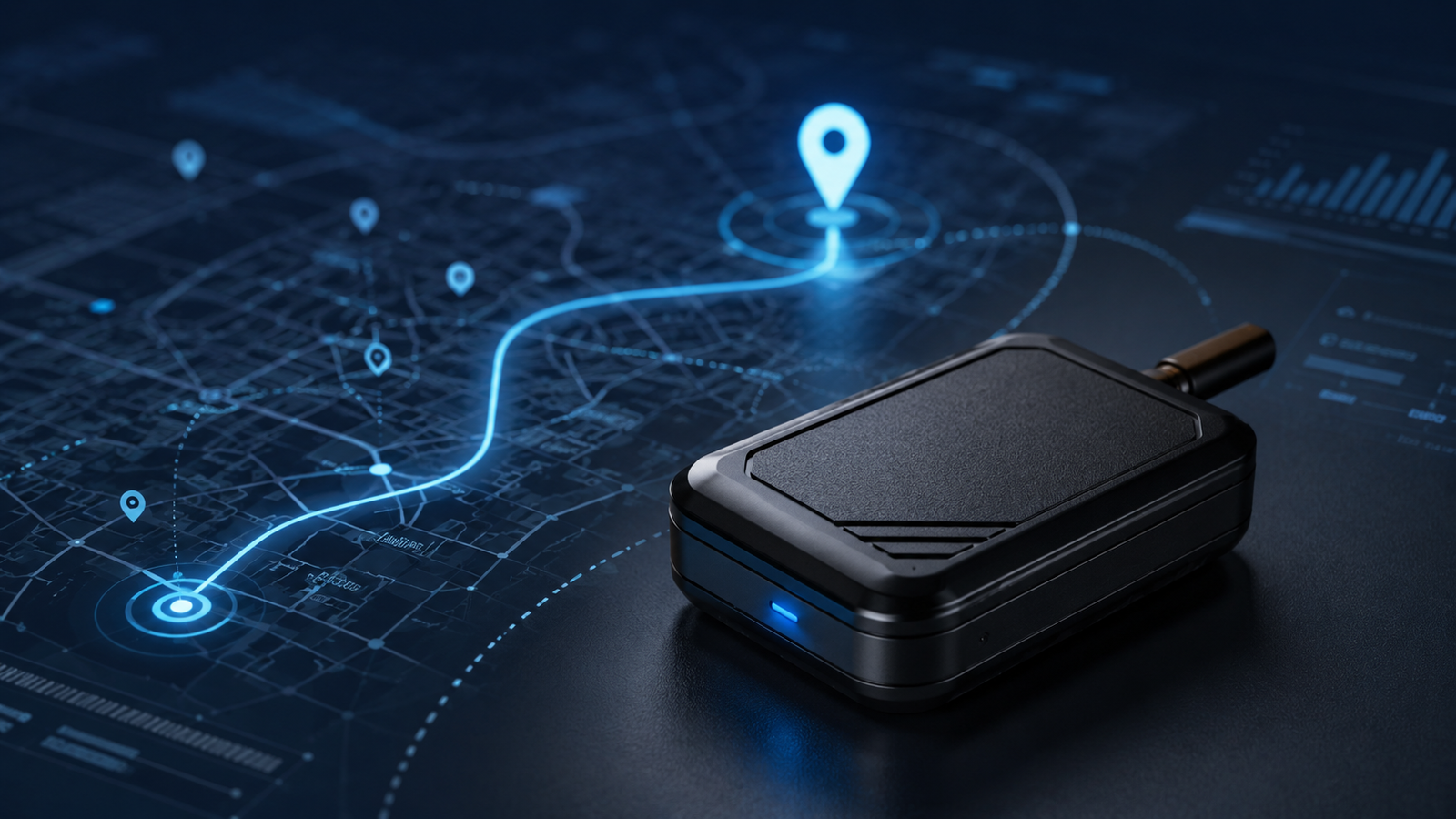
The word tracqueur can be confusing because it does not point to one universally defined device or technology. In online usage, it is generally associated with the idea of a tracker—something that helps follow, locate, monitor, or record the movement or activity of a person, vehicle, object, or digital process. The spelling also sits close to several French terms, which makes context particularly important.
In French, traqueur is an established word, while traceur has a specific modern meaning that includes a device used to follow a person or vehicle by satellite. The French Academy defines traceur as, among other things, a device that tracks the movements of a person or vehicle by satellite.
So, when someone searches for “tracqueur,” they may actually be looking for information about a GPS tracker, vehicle tracker, tracking device, digital tracking system, or simply the meaning of a French-related term. Understanding that distinction makes the subject much easier to navigate.
What Does Tracqueur Mean?
In simple English, tracqueur can be understood as a term associated with tracking or a tracker. It may refer broadly to a tool, device, or system designed to follow location, movement, activity, or information.
The exact meaning depends on context. A physical tracking device might help locate a vehicle or valuable asset, while another type of tracker could monitor fitness activity or connect an object to a smartphone. Digital systems can also track online interactions, although those systems work very differently from GPS-based devices.
The spelling is worth noting. Traqueur is an established French word, while traceur is also used for tracking devices in French. The French Academy specifically lists traceur as a device capable of following the movements of a person or vehicle by satellite and recommends it instead of the English word “tracker.”
| Term | General meaning | Typical context |
|---|---|---|
| Tracqueur | Online spelling associated with tracking | General or digital usage |
| Traqueur | French term related to tracking or pursuit | Language, hunting, pursuit |
| Traceur | Device or person that traces/follows | GPS and technical contexts |
| Tracker | Common English term | Devices, software, location systems |
Because these words overlap, it is better to look at the context rather than assume that every mention of “tracqueur” refers to exactly the same thing.
Is Tracqueur the Same as a Tracker?
In many online contexts, yes, tracqueur is being used in connection with the broader idea of a tracker. However, it should not automatically be treated as the official name of one particular technology, product, or device.
A tracker is essentially something that follows or records information about a target. That target could be a physical object, location, movement pattern, or digital activity. The technology used to accomplish that task can vary considerably.
For example, a vehicle tracking device may determine its location using satellite positioning and transmit information through a cellular network. A small Bluetooth tag works differently, relying on nearby compatible devices rather than continuously communicating with satellites.
That distinction matters because saying “tracqueur” simply means “GPS device” would be too narrow. The broader concept is tracking, while GPS is only one technology that can be used for it.
How Does a Tracqueur Work?
A tracking system generally follows a simple process: collect information, determine or record useful data, transmit or store it, and present the result to the user.
The exact process depends on the type of device. A GPS-based tracker receives signals from navigation satellites to calculate its position. The device can then use a cellular connection or another communication method to send that location to an application or online platform.
Other trackers use different technologies. Bluetooth trackers are designed for short-range communication and can work with nearby smartphones. Fitness trackers use sensors to measure movement and activity. Digital tracking systems may instead record events such as visits, clicks, or interactions.
The important point is that a tracker does not necessarily use one universal technology. The tracking method is chosen according to the purpose, environment, required accuracy, communication range, and available power.
GPS Tracking
GPS is one of the best-known technologies associated with location tracking. A GPS-enabled device calculates its position using signals from navigation satellites and can then make that information available to the user.
This is particularly useful for vehicles, outdoor equipment, valuable assets, and other things where knowing a current or recent location matters.
GPS tracking can provide much more useful information than simply displaying a dot on a map. Depending on the system, users may be able to review movement history, receive alerts, or monitor whether something has moved outside a defined area.
Bluetooth Tracking
Bluetooth tracking is designed for a different purpose.
A small Bluetooth tag can be attached to keys, luggage, wallets, or other personal belongings. Because Bluetooth has a relatively limited direct range, these devices are generally suited to finding nearby objects or using compatible devices as part of a broader finding network.
This makes Bluetooth trackers particularly useful for everyday belongings where continuous worldwide location tracking is unnecessary.
Mobile and Cellular Tracking
Some trackers combine positioning technology with cellular connectivity.
The positioning system determines where the device is, while the cellular connection allows the tracker to send that information to a remote server or application. This combination is common in vehicle and asset tracking because it allows information to be accessed from a distance.
The trade-off is that cellular trackers normally depend on network availability and require more power than a simple passive tag.
What Are the Common Types of Tracqueur?
The word can cover several different kinds of tracking technology. Choosing between them depends on what needs to be tracked and how frequently its location or activity needs to be known.
Vehicle Trackers
Vehicle tracking systems are designed to monitor cars, motorcycles, trucks, and other vehicles.
Depending on the product, they may provide current location, travel history, movement alerts, or other information. Businesses can use vehicle tracking to manage fleets, while individual owners may use it to improve security or locate their vehicles.
A vehicle tracker is generally more sophisticated than a small Bluetooth tag because it may need reliable communication over long distances.
Personal Trackers
Personal tracking devices can be used for belongings or, in appropriate circumstances, personal safety.
The important issue is consent. Tracking someone without their knowledge or authorization can create serious privacy and legal concerns. A legitimate tracking solution should make its purpose clear and should be used within applicable laws and agreements.
Pet Trackers
Pet trackers are designed to help owners locate animals that wander away.
Many use GPS and cellular connectivity, allowing the owner to check the animal’s location through an application. Some also provide features such as location history or boundary alerts.
The right choice depends on factors such as the pet’s size, expected range, battery life, network availability, and whether the device is comfortable for the animal to wear.
Asset Trackers
Businesses often need to know where equipment, containers, tools, or other valuable assets are located.
Asset tracking can reduce the time spent searching for equipment and can make it easier to manage large collections of movable items. Depending on the environment, GPS, cellular, Bluetooth, RFID, or other technologies may be appropriate.
Fitness and Activity Trackers
Not every tracker is designed primarily to find something on a map.
Fitness trackers use sensors to record information about physical activity. They can monitor things such as movement, workouts, steps, and other measurements depending on the device.
This demonstrates why the term “tracker” is broader than GPS. Tracking is fundamentally about collecting and following information, while location is only one possible type of information.
What Are the Benefits of Tracking Technology?
A well-designed tracking system can solve practical problems that would otherwise be difficult to manage.
For individuals, tracking can make it easier to locate belongings, monitor a vehicle, or find a pet. For businesses, it can improve visibility over vehicles, equipment, and other mobile assets.
Tracking can also provide historical information rather than just a current location. Movement history can help users understand where an asset has been, identify unusual activity, or investigate what happened after an unexpected event.
The biggest benefit is usually visibility. Instead of guessing where something is or what happened, the user has access to information that can support a more informed decision.
What Are the Limitations?
Tracking technology is useful, but it is not perfect.
A GPS tracker may have difficulty determining an accurate position in environments where satellite signals are obstructed. Cellular trackers can also be affected by network availability. Bluetooth devices have a much shorter direct range and are intended for different situations.
Battery life is another practical limitation. A tracker that communicates frequently may require more power than one that checks in occasionally. Smaller devices also have less room for larger batteries.
There is therefore no single tracker that is ideal for every situation. The right choice depends on what needs to be tracked, how often information is required, where the device will operate, and how much maintenance is acceptable.
Tracqueur vs GPS Tracker: What’s the Difference?
The distinction is straightforward once the terminology is separated.
Tracqueur is best treated as a broad or informal term associated with tracking, particularly in online usage. A GPS tracker, by contrast, describes a more specific type of device that uses satellite positioning to determine location.
This means every GPS tracker can be considered a tracking device, but not every tracking device is necessarily GPS-based.
| Feature | General Tracker | GPS Tracker |
|---|---|---|
| Main purpose | Track information or activity | Determine location |
| GPS required | Not necessarily | Usually |
| Bluetooth possible | Yes | Sometimes |
| Cellular connection | Optional | Common in remote systems |
| Typical uses | Objects, activity, data | Vehicles, pets, assets |
| Location tracking | Depends on technology | Core function |
This distinction becomes particularly useful when comparing products or researching what type of tracking system is actually needed.
What Should You Consider Before Choosing a Tracker?
The first question should be simple: What exactly do you want to track?
A device for finding keys has very different requirements from a system designed to monitor a commercial vehicle. Similarly, a pet tracker needs to balance location capability with size, comfort, battery life, and network coverage.
Consider the tracking range, communication method, battery requirements, location accuracy, durability, application quality, and ongoing costs. If the device relies on cellular connectivity, network coverage in the places where it will be used is particularly important.
Privacy should also be part of the decision. Understand what information the system collects, where that information is stored, who can access it, and how long it is retained.
A Simple Example
Imagine someone wants to track a suitcase during international travel.
A small Bluetooth tag may be sufficient if the primary goal is to help locate the suitcase when it is nearby or when compatible devices can detect it. A cellular GPS device may offer broader independent location capabilities, but it could be larger, more expensive, and require more power.
The “best” tracker therefore depends on the problem being solved rather than on having the longest list of features.
Privacy and Responsible Tracking
Tracking technology becomes sensitive when it involves people rather than objects.
Using a tracker to locate your own vehicle or find your own lost belongings is very different from secretly monitoring another person’s movements. Responsible tracking requires an appropriate purpose, transparency, and respect for privacy.
Before using a tracking system involving another person, make sure you have the necessary permission and comply with applicable laws. Rules can vary depending on the country, relationship between the parties, type of data collected, and purpose of monitoring.
Good tracking practices should also include reasonable data security. Location information can reveal routines, workplaces, homes, and other sensitive details, so it should not be treated as ordinary information.
Common Mistakes When Using Tracking Devices
One common mistake is choosing a tracker based only on its headline feature. A device advertised as highly accurate may still be unsuitable if it has poor network coverage in the intended area or requires frequent charging.
Another mistake is ignoring the difference between technologies. Bluetooth, GPS, cellular, Wi-Fi, and other systems solve different problems. Understanding how each one works can prevent an expensive purchase that does not meet the actual requirement.
Privacy is another area that should never be overlooked. A technically impressive tracker can still be a poor choice if its data practices are unclear or if it is used without appropriate consent.
The Future of Tracking Technology
Tracking systems are becoming increasingly integrated into everyday devices and services.
Smaller hardware, better sensors, improved connectivity, and more capable software are making it easier to collect and interpret location and activity information. At the same time, users are becoming more aware of the privacy implications of constant monitoring.
The future of tracking is therefore unlikely to be about simply collecting more data. The more valuable systems will be those that provide useful information while giving people meaningful control over how that information is collected and used.
That balance between convenience and privacy will remain one of the most important issues surrounding tracking technology.
Frequently Asked Questions About Tracqueur
What does tracqueur mean?
Tracqueur is commonly encountered online as a term associated with tracking or a tracker. Depending on context, it may refer to a tracking device, tracking system, or the broader concept of monitoring location or activity.
Is tracqueur a French word?
The spelling matters. Traqueur is an established French word, while traceur is another established French term that can refer to a device used to follow a person’s or vehicle’s movements by satellite.
Is a tracqueur the same as a GPS tracker?
Not necessarily. A tracqueur can be used as a broad term connected with tracking, while a GPS tracker specifically uses satellite positioning to determine location.
What can a tracker be used for?
Tracking devices can be used for vehicles, pets, luggage, equipment, personal belongings, and other assets. Other types of trackers can monitor fitness activity or digital events rather than physical location.
Does every tracker use GPS?
No. Some trackers use Bluetooth, cellular networks, Wi-Fi, sensors, or combinations of technologies. The technology depends on the purpose and environment.
Can a tracker work without a mobile network?
Some can. Bluetooth tags and certain other tracking systems can operate without a traditional cellular connection, although their capabilities and range may be limited. GPS positioning itself does not require a cellular network, but a tracker often needs another communication method to send its location remotely.
What should I look for in a tracker?
Consider the intended use, range, location accuracy, battery life, connectivity, durability, software, cost, privacy practices, and any recurring subscription fees. The right combination depends on what you are trying to track.
Is tracking another person legal?
It depends on the circumstances and applicable law. Tracking another person without appropriate knowledge, consent, or legal authority can raise serious privacy and legal issues. Always use tracking technology responsibly and within the rules that apply to your situation.
Conclusion
Tracqueur is best understood as a term connected with the wider idea of tracking rather than automatically assuming it represents one specific device. Depending on the context, the subject may involve GPS trackers, Bluetooth tags, vehicle systems, asset tracking, fitness devices, or other technologies designed to collect and provide useful information.
The terminology can also be confusing because tracqueur, traqueur, traceur, and tracker are closely related but are not interchangeable in every context. In particular, the French Academy distinguishes traceur as a term that can describe a device for following the movements of a person or vehicle by satellite.
If you’re considering a tracking device, focus less on the name and more on the technology behind it, the problem it solves, its reliability, and how your data will be handled. A good tracking system should provide useful information without creating unnecessary privacy risks.
The smartest tracker is not necessarily the one with the most features—it is the one that solves your actual tracking problem reliably, responsibly, and transparently.


Leave a Reply